ABOUT
At a Glance
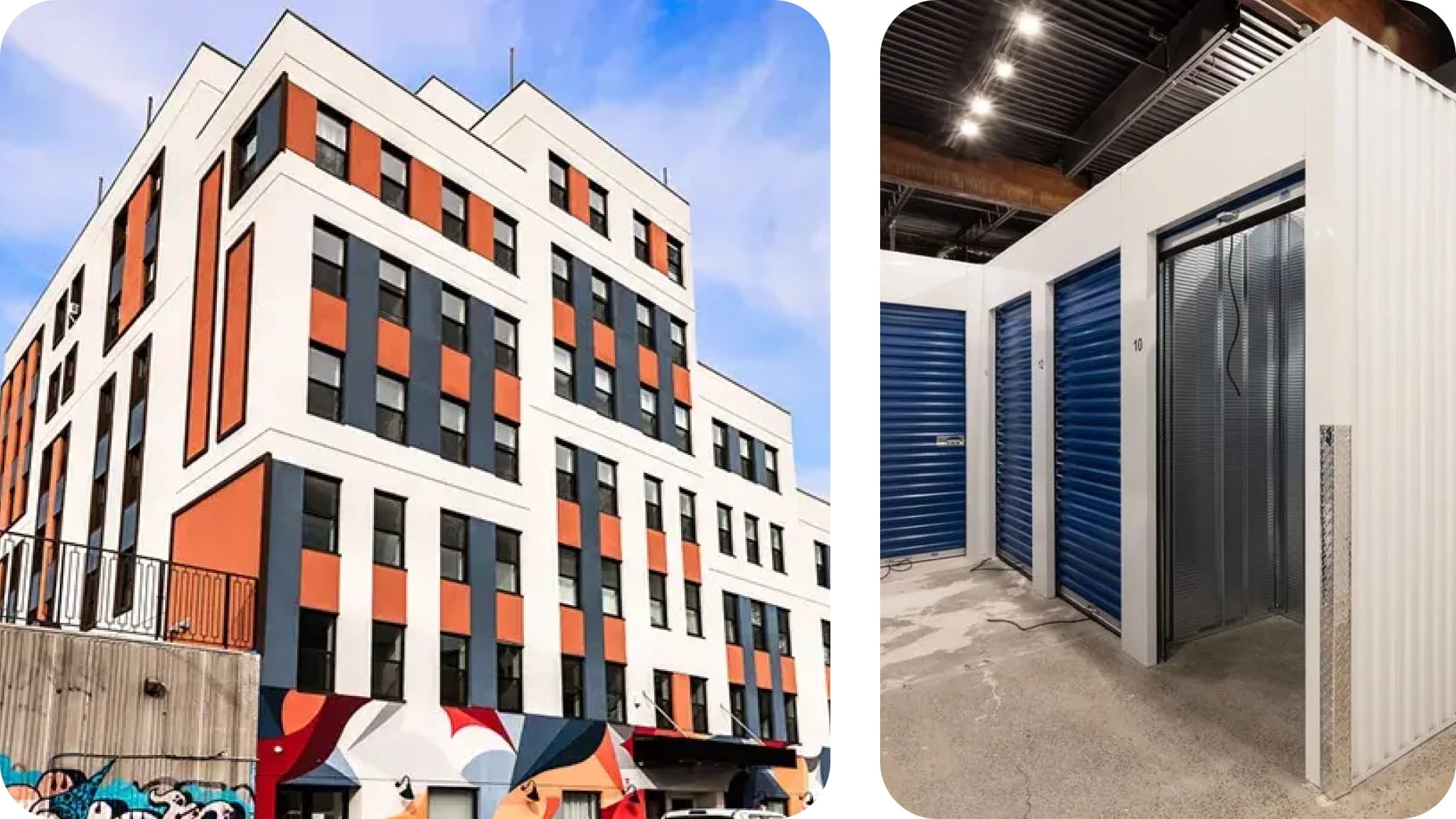
Property: 951 Madison St, Brooklyn, NY
Partner: Gerard Real Estate (local NYC developer)
Space Converted: 3,500 sq. ft. basement
Highlights: 60 storage units | 90% occupancy in 4 months | $19 psf/year | $1.1M value uplift | Buildout cost $25 psf
The challenge
Gerard Real Estate had a 3,500-square-foot basement at 951 Madison St in Brooklyn that wasn't part of the building's leasable plan. Basements like this rarely attract a standard commercial tenant, so the space had effectively been written off as unproductive.
The solution
Gerard partnered with Stuf to build out the basement into 60 self-storage units, keyless and app-accessed, with 24/7 AI-camera security. The buildout cost came to $25 per square foot, a modest investment against the income the space could generate once leased to local residents and businesses.
The results
The facility filled to 90% occupancy within four months of opening, generating $19 per square foot annually from space that had previously produced nothing. That new income stream added an estimated $1.1M in building value, well above the initial buildout cost.
Why it worked
Brooklyn's residential density means demand for storage is high, but most buildings in the neighborhood don't have a convenient, secure facility nearby. Converting a basement that was already part of the building meant Gerard didn't need to find a new site or negotiate a separate lease; the supply and the demand were both already in place.
What this means for other owners
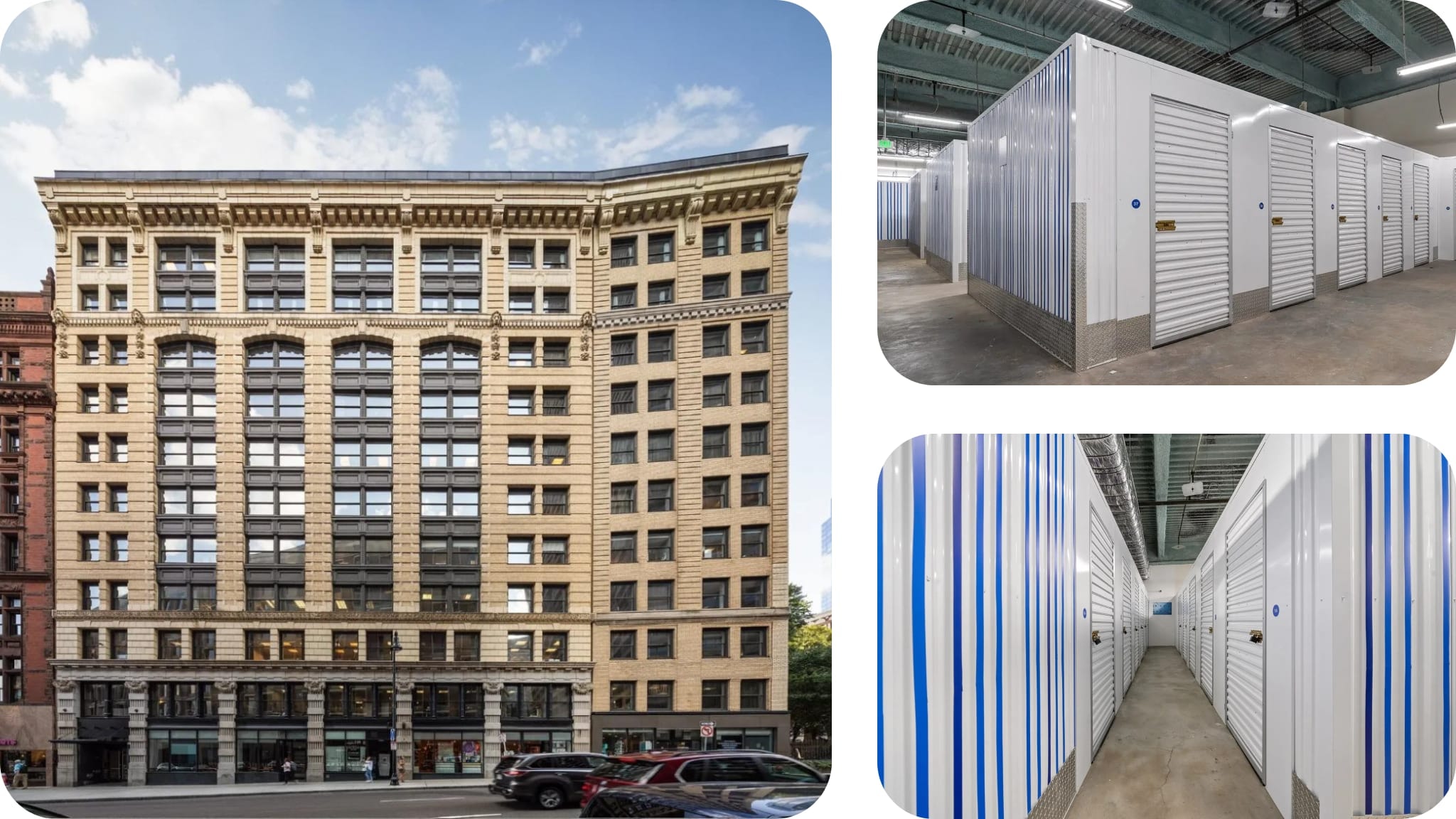
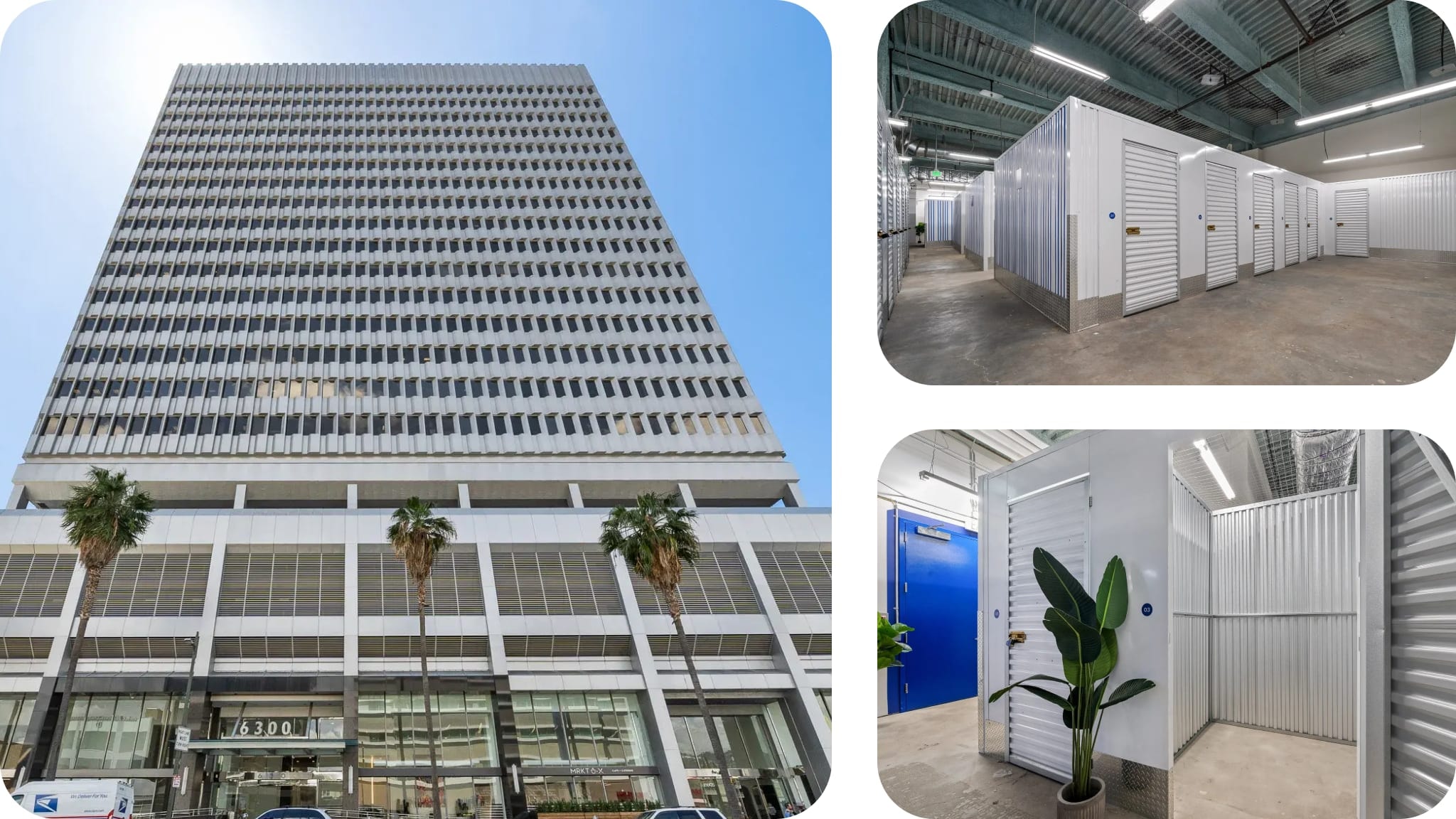
A 4-month ramp to 90% occupancy shows how quickly basement space can convert into stable income once it's built out. If you're evaluating a similar basement, mezzanine, or overflow area, see how The Swig Company and Jamestown did the same.
FAQ
How long did it take to reach 90% occupancy?
Four months from opening.
What did the buildout cost?
$25 per square foot, recovered through the facility's ongoing rental income.
How much value did the conversion add to the building?
An estimated $1.1M, based on the new $19 psf/year income stream from the converted basement.
Why did the basement fill up so quickly?
Brooklyn's residential density meant there was already demand for secure, nearby storage. Since the facility was built inside a building people already lived near, Stuf didn't need to generate awareness from scratch the way a stand-alone facility would.
What this looks like for a space you're evaluating
Basements are one of the most common starting points for a conversion like this, largely because they're rarely part of a building's core leasing plan to begin with. If you're sitting on unused basement square footage in a dense residential area, talk to Stuf about your property to see what it could generate.
Was any structural work required to build out the basement?
The buildout was contained to the existing basement footprint, so it didn't require reworking the building's structure or displacing another tenant.
For comparison, see how Jamestown converted overflow storage space in Boston and how The Swig Company converted a mezzanine in Los Angeles.