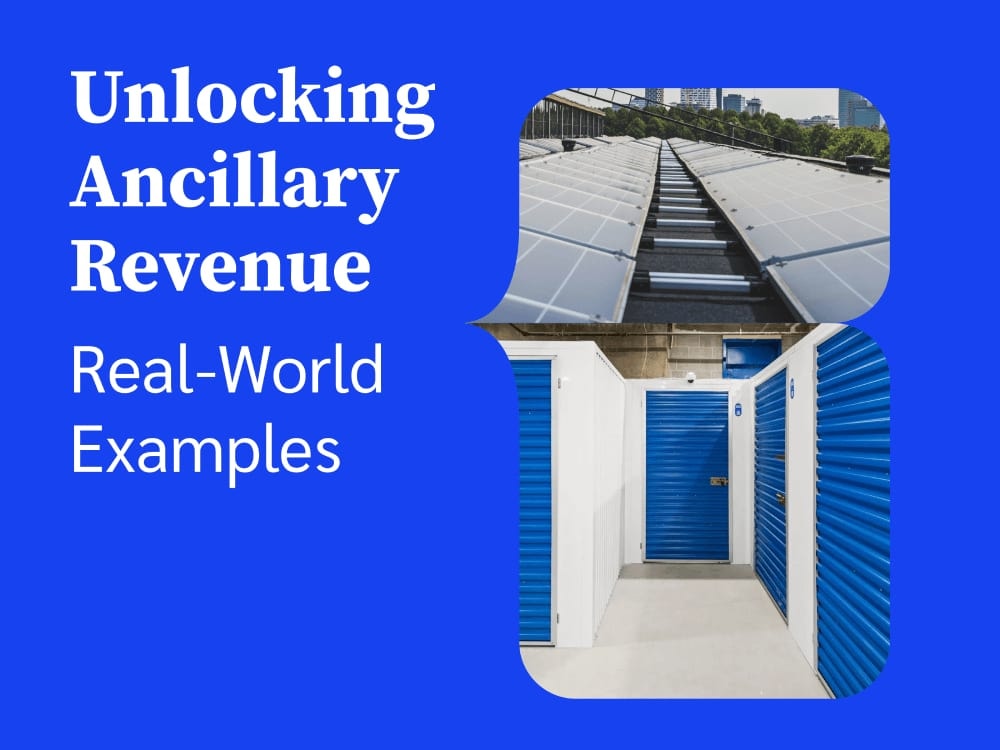

Discover new ways to unlock hidden income from your property. This repor highlights how owners are turning unused rooftops, basements, and shared spaces into steady NOI and creating new revenue streams without raising rent.
12+ Examples of Ancillary Revenue in Commercial Real Estate
What's inside this compendium
Instead of one deep case study, this e-book walks through 12+ different ways owners are pulling ancillary revenue out of space that would otherwise sit idle: basements, rooftops, loading areas, shared amenity rooms, and other square footage that isn't part of a building's primary leasing plan. It's meant to be a broader survey of what's possible, so owners can see which approach fits their own building before committing to one.
Why owners look beyond primary rent
Primary rent alone often can't absorb rising operating costs, especially in markets where rent growth has slowed. Ancillary revenue strategies exist because they let owners generate income from space that isn't competing with core leasable square footage, without asking existing tenants to pay more or renegotiating leases. For many buildings, self-storage is one of the more straightforward strategies to execute, since it requires comparatively little structural work and doesn't depend on foot traffic the way a retail concept would.
Who this guide is for
This e-book is written for owners, asset managers, and developers who want a broad view of ancillary revenue options before narrowing in on one. If you already know self-storage is the right fit for your building, the real-world examples white paper goes deeper on that specific strategy.
Real examples referenced in this guide
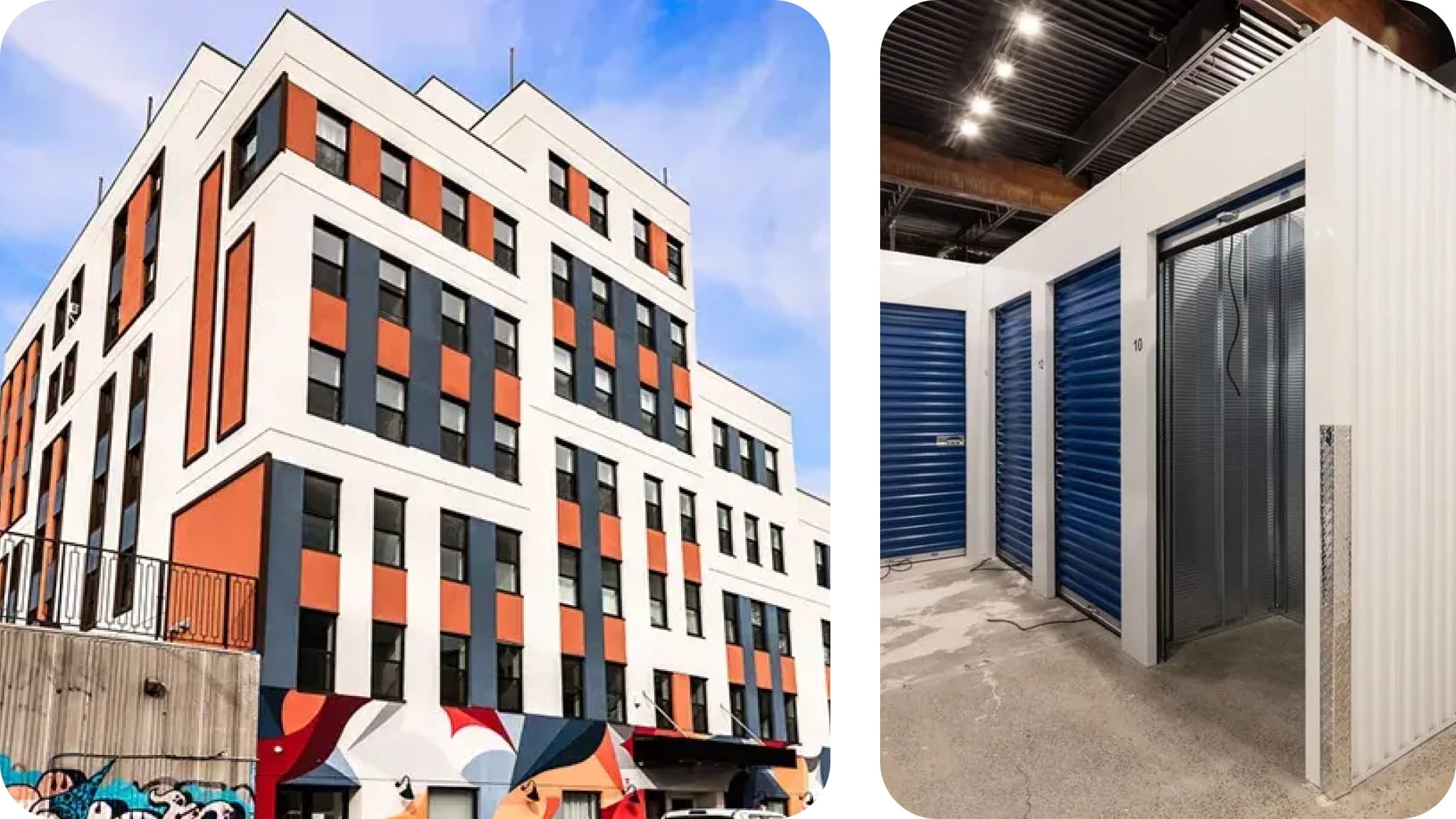
Several of the examples in this compendium mirror results from our own real estate partners, including Jamestown's Boston building, which turned previously idle space into a new source of building income, and a Brooklyn basement converted into 60 storage units at 90% occupancy.
FAQ
Do I need to pick one strategy from the guide, or can I combine them?
Most buildings only have room for one or two ancillary revenue strategies at a time, depending on available square footage and layout, but the guide is structured so you can compare options before deciding.
How do I find out what my specific space could generate?
Download the guide, then visit Stuf for real estate partners to talk through the numbers for your building.
How to use this guide
Rather than reading it front to back, most owners use this compendium to scan for the example closest to their own building: a basement, a rooftop, a shared amenity room, or overflow space that isn't currently generating income. Once you've identified the closest match, it's easier to judge whether that strategy could work for your specific floor plate before committing to a full evaluation.
Does this guide cover self-storage in the same depth as the white paper on real-world examples?
No. This compendium is intentionally broader, covering 12+ different strategies at a higher level. The real-world examples white paper goes deeper specifically on self-storage conversions.