Are rising costs and stagnant rent growth cutting into your NOI? This white paper reveals how owners are transforming unused basements, rooftops, and shared spaces into consistent income. Learn how to grow property value, strengthen tenant satisfaction, and increase NOI without raising rent.
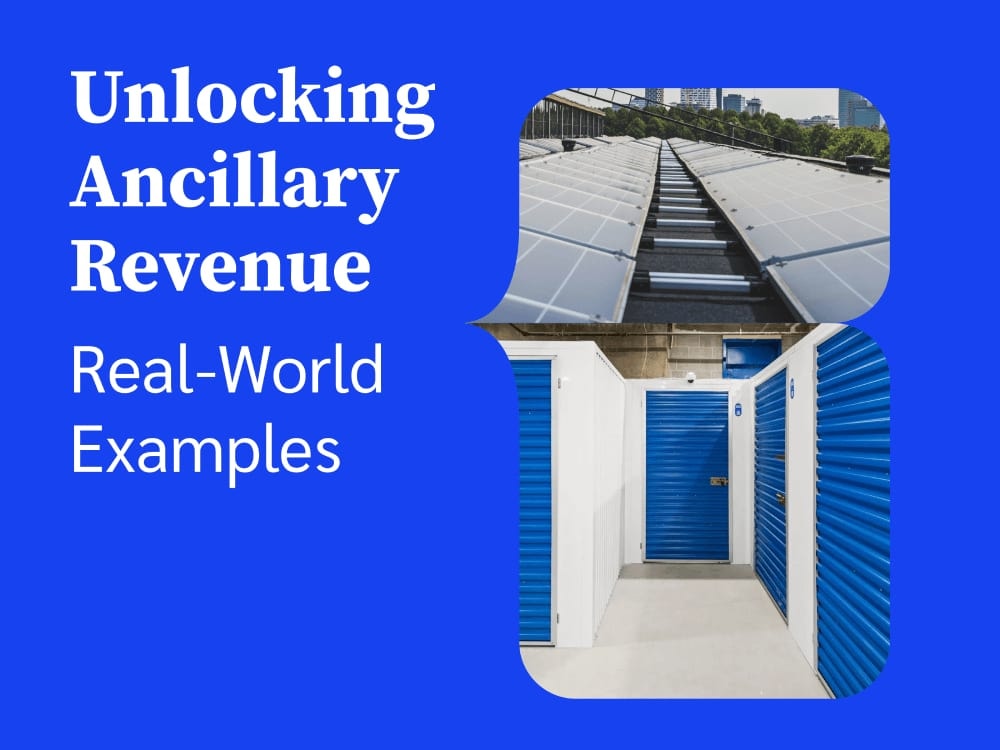
Unlocking Ancillary Revenue: Real-World Examples
What's inside this white paper
- Real examples of buildings that converted unused space, including basements, rooftops, and shared amenity areas, into income-producing square footage
- How ancillary revenue shows up in net operating income, and what that means for overall property value
- What building types and floor plates tend to work well for a self-storage conversion
- How owners add a new amenity without disrupting the tenant experience in the rest of the building
Why ancillary revenue matters right now
Operating costs keep climbing while rent growth has flattened in a lot of markets. For owners looking for NOI growth that doesn't depend on raising rent or leasing more of the building's primary square footage, converting already-underused space is one of the few levers still available. Basements, mezzanines, back-of-house rooms, and other areas that aren't currently generating income are the easiest place to start, since they aren't competing with your core leasable square footage or your existing tenants.
Who this guide is for
This white paper is written for owners, asset managers, and developers evaluating whether underused space in an existing building could support a new revenue stream. It's most useful if you have vacant or hard-to-lease square footage, such as a basement, a dead mezzanine, or an underperforming retail unit, that isn't part of your primary leasing plan.
Real examples referenced in this guide
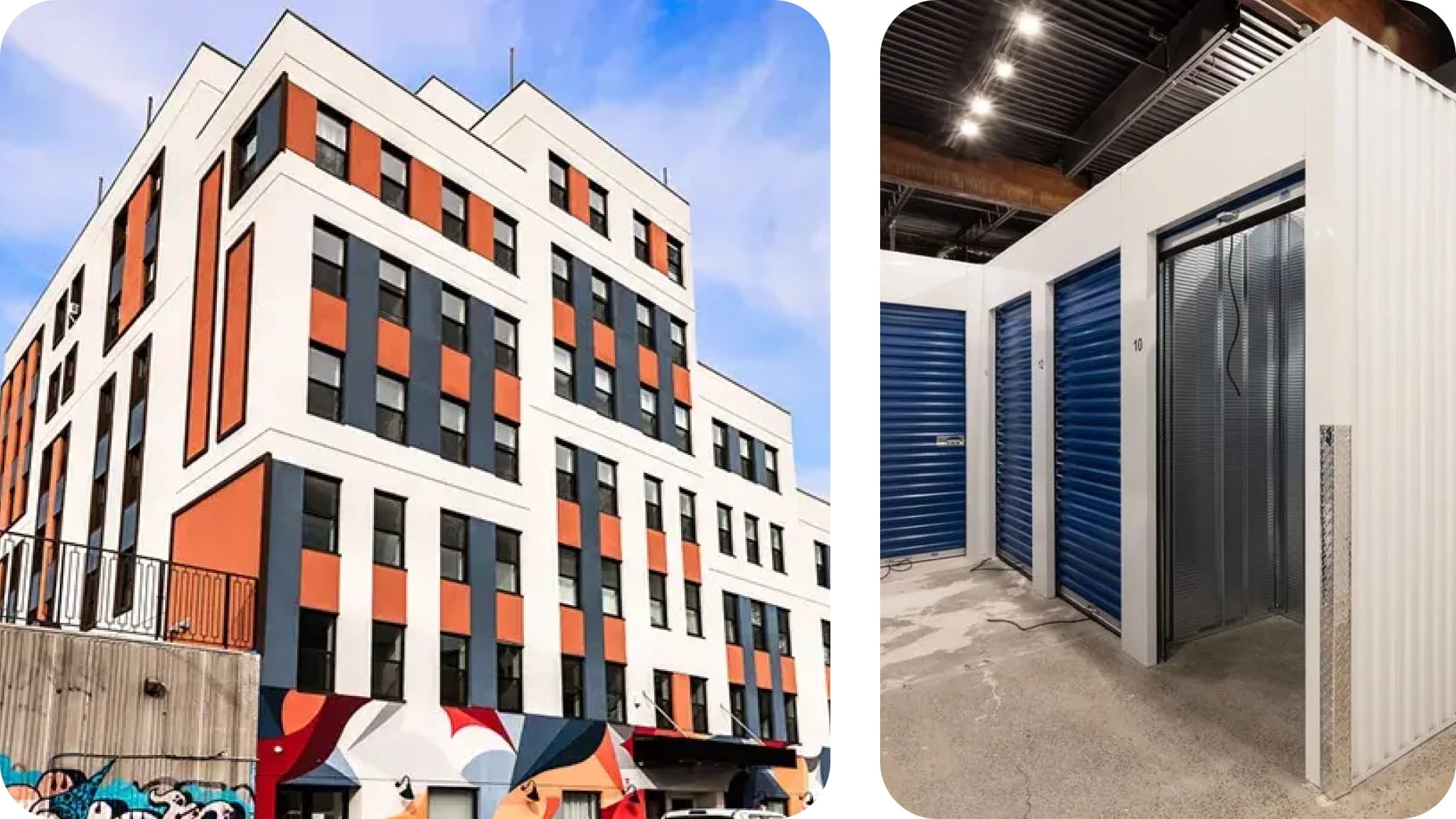
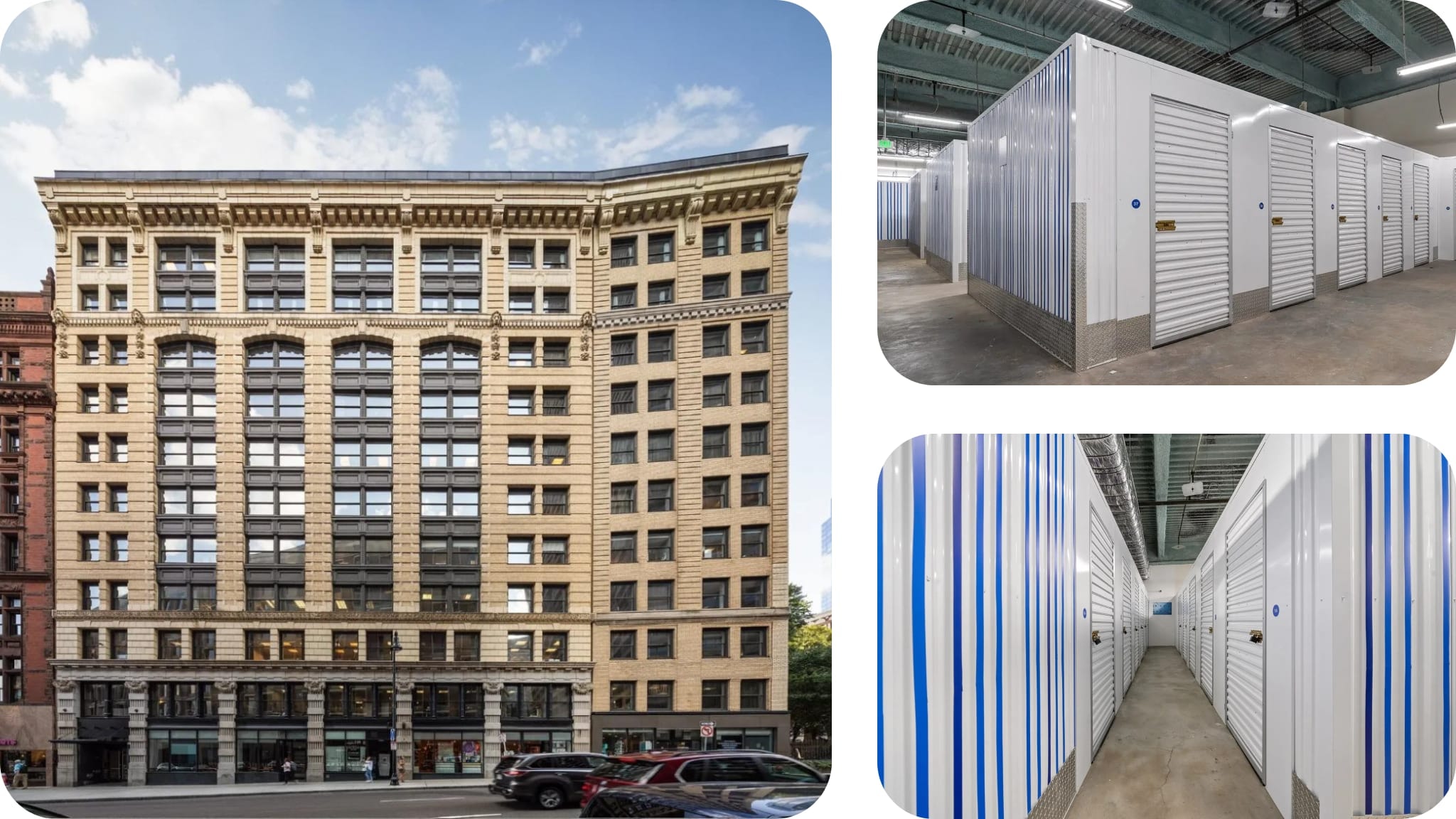
The examples in this white paper mirror what we've seen with our own real estate partners, including a Mid-City Los Angeles office building that turned a hard-to-lease mezzanine into $263,000 in annual income and a Brooklyn building that converted basement square footage into 60 storage units at 90% occupancy.
FAQ
Is this white paper specific to self-storage?
Self-storage is the primary strategy covered, since it requires the least structural work and can be added to most building types without disrupting existing tenants.
What if I'd rather talk through my specific building first?
Download the white paper, then visit Stuf for real estate partners to see what your space could generate.
Is your space a fit for this approach
Not every square foot is a good candidate for an ancillary revenue conversion. Space that tends to work well shares a few traits:
- It's vacant or underused, and doesn't fit the building's current office or retail tenant mix
- It has its own access point, such as a side entrance, loading dock, or private stairwell, separate from the main tenant flow
- It's difficult to subdivide or market as standard office or retail square footage
- There's no major structural blocker, like extremely low ceilings, that would rule out a build-out
If your space checks most of these boxes, it's likely one of the scenarios covered in the white paper.
How long does it typically take to convert a space like this?
Timelines vary by building and by how much work the space needs before it's ready, which is part of why the white paper walks through several different starting points rather than a single formula.